
The pumpkin is one of nature’s best examples of how living things grow, change, and renew. It begins as a small seed in the soil, stretches into a leafy green vine, and eventually produces the bright orange fruit we see every fall. Each stage of its life depends on sunlight, water, healthy soil, and a little help from pollinators like bees. When the season ends, the pumpkin returns to the earth and breaks down into rich soil, giving new seeds the nutrients they need to start aagain. It’s nature’s way of showing us that every ending is also a beginning.
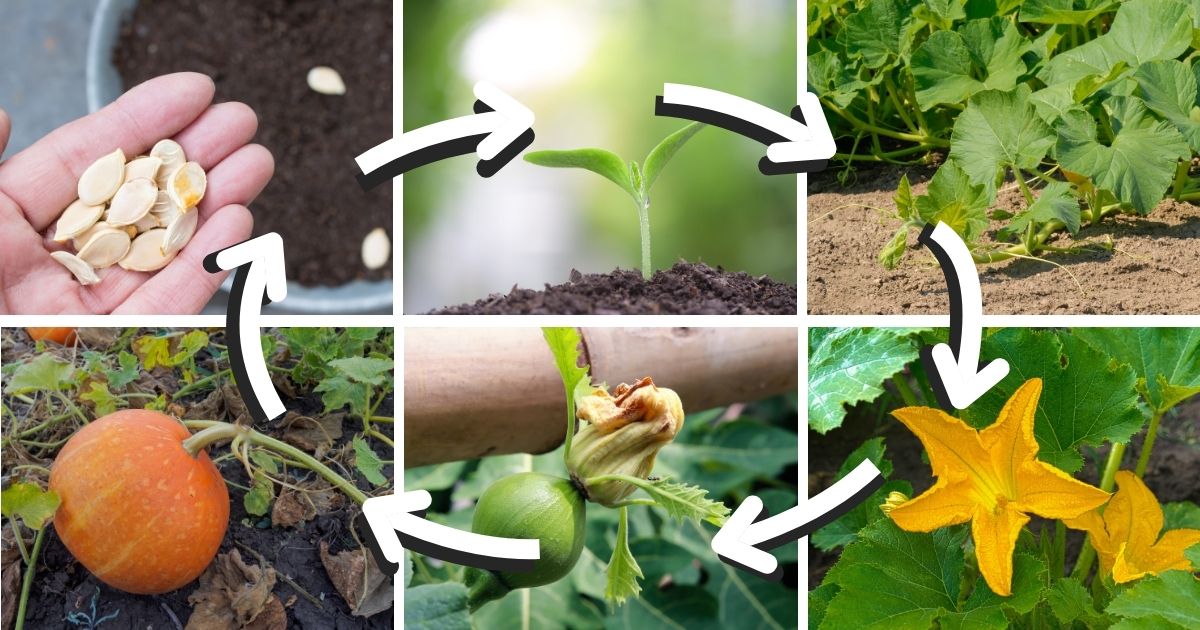
The Pumpkin Life Cycle:
Study Resources:
Pumpkins
Pumpkin Production
Britannica
Research Center
Pumpkins are more than a symbol of fall, they’re an important part of our environment and agriculture. From seed to harvest, each stage supports pollinators, recycles nutrients, and shows how plants grow and reproduce.

Fun Facts About Pumpkins:
-
- Pumpkins are about 90% water, which is why they feel so heavy!
-
- A single pumpkin vine can grow up to 30 feet long.
-
- The world record for the heaviest pumpkin ever grown is over 2,700 pounds! – Read about the man from California who grew a pumpkin the size of a car.
-
- Pumpkins are members of the gourd family, which also includes cucumbers, melons, and squash.
-
- A typical pumpkin can have between 500 and 700 seeds inside.
-
- Not all mature pumpkins are orange – some pumpkins stay green or turn white, blue, or even red depending on the variety.
-
- Each year, the U.S. grows about 1.5 billion pounds of pumpkins.
Questions About Pumpkins:
What is the life cycle of a pumpkin?
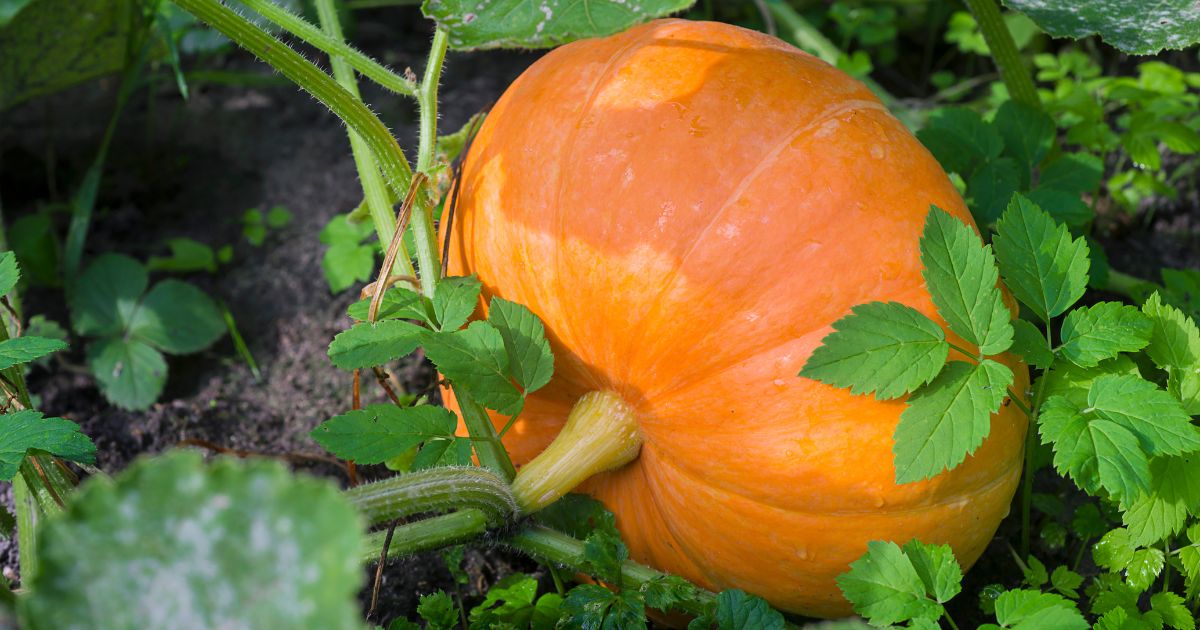
The pumpkin life cycle has six stages: seed, sprout, vine, flower, green pumpkin, and mature pumpkin.
How long does it take for a pumpkin to grow?
Pumpkins usually take 90 to 120 days to grow from seed to harvest.
How do pumpkins reproduce?
Pumpkins start as flowers on a vine. Bees carry pollen from one flower to another, which helps the plant start growing a pumpkin. After that, the bottom of the flower grows bigger and turns into a pumpkin!
What does a pumpkin plant look like in the beginning?
In the beginning, a pumpkin plant starts as a small sprout emerging from the soil. It has two smooth, rounded leaves that help the plant absorb sunlight. As it grows, the plant develops additional leaves, which are larger and have a rough, jagged appearance.
What is the lifespan of a pumpkin plant?
A pumpkin vine typically lives for about 4 to 5 months. The vine grows rapidly during the warmer months, producing flowers and fruit, and begins to wither as temperatures drop or once the pumpkins have fully matured.
Are pumpkins a fruit or a vegetable?
Pumpkins are technically a fruit because they contain seeds.
When is the best time to plant pumpkins?
Pumpkins are usually planted in late spring after the last frost, as they need warm temperatures to grow.
How can you tell when a pumpkin is ready to harvest?
A pumpkin is ready when its skin is hard and its stem begins to dry out.
 Parent & Student Activity: Pumpkin Pie (5 Simple Ingredients)
• 1 can pumpkin
• 1 can sweetened condensed milk
• 2 eggs
• 1–2 teaspoons pumpkin pie spice
• 1 pie crust
Instructions
1. Mix Everything: In one large bowl, add pumpkin, condensed milk, eggs, and spice. Stir until smooth.
2. Pour Into the Crust: Carefully pour the mixture into the pie crust.
3. Bake: (Parent) Bake at 425°F for 15 minutes. Then lower heat to 350°F and bake for 30–40 more minutes.
4. Cool + Enjoy: Allow pie to cool completely before slicing.
Parent Involvement Tips
• Read the recipe aloud together before starting.
• Let your student help measure ingredients to build math skills.
• Talk about textures, smells, and colors for sensory learning.
• Allow student to safely stir, pour, or set the timer.
• Ask gentle questions like: “What do you think will happen when we bake it?”
• Celebrate the finished pie together and discuss what you learned.
Activity: Draw and Describe the Pumpkin Life Cycle
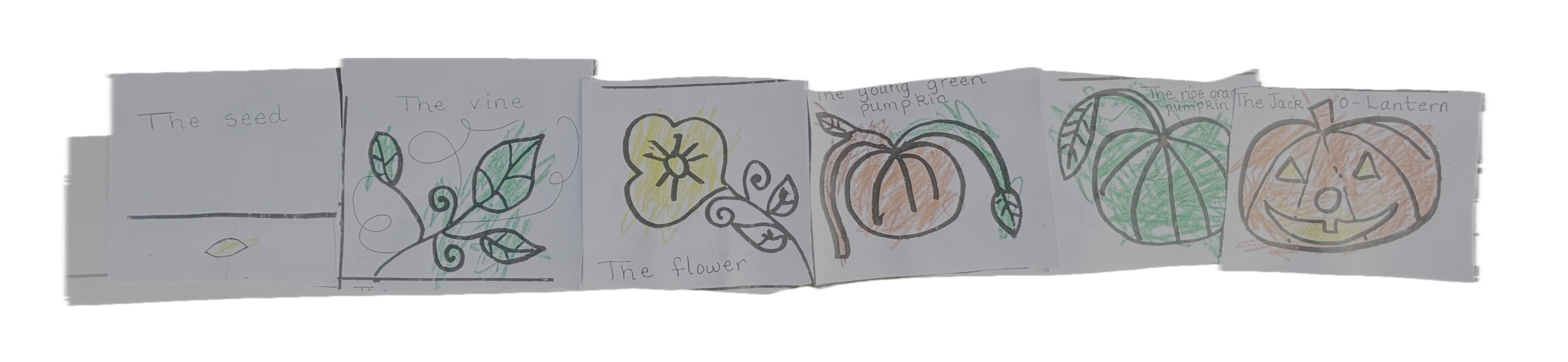
From Seed to Soil Again: Free Printables
What You’ll Need:
- Blank paper or Construction Paper
- Pencil and colored pencils or crayons
- Optional: Ruler and labeled reference chart
Instructions:
- Draw It: On your paper, draw the full pumpkin life cycle, seed, sprout, vine, flower, pumpkin, and decomposition. Leave space between each stage.
- Label It: Write the name of each stage next to your drawing. Example:
Seed → Sprout → Vine → Flower → Pumpkin → Soil. - Write About It: Under your drawing, write one or two sentences describing what happens in each stage.
- Color It: Add color and detail, include the sun, soil, and even a bee if you’d like!
Learning Focus:
- Identifying and labeling plant parts
- Understanding life cycles and decomposition
- Combining art, science, and writing skills